Remote-First Client Collaboration: What Actually Works
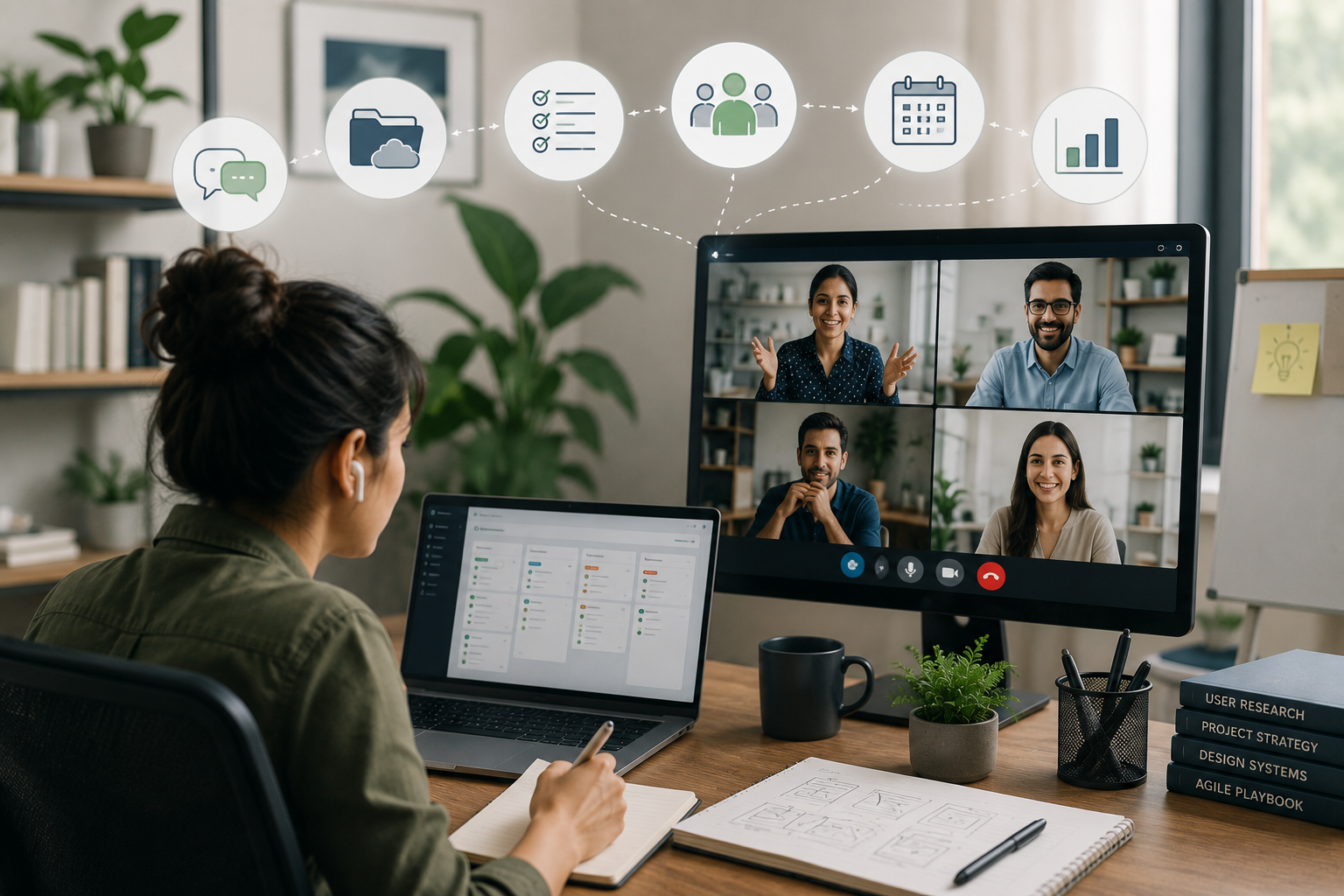
A few years ago, many organizations viewed remote collaboration as a temporary solution. Today, it has become a normal part of how businesses operate, communicate, and deliver projects.
At TiCi Technologies, we work with clients across different locations, industries, and time zones. While technology makes remote work possible, we've learned that successful collaboration depends on much more than video calls and messaging apps.
Over time, we've identified a few principles that consistently make remote projects smoother, faster, and more effective.
Communication Is More Important Than Meetings
One of the biggest misconceptions about remote work is that more meetings lead to better collaboration.
In reality, excessive meetings often create confusion rather than clarity.
What works better is structured communication.
Clear project updates, documented decisions, shared timelines, and well-defined responsibilities ensure everyone knows what is happening without needing constant discussions.
The goal isn't to have more conversations—it's to have better ones.
Documentation Prevents Misunderstandings
When teams work remotely, assumptions can quickly become problems.
A feature discussed casually in a meeting may be remembered differently by different people. A project requirement that seems obvious today may be unclear a few weeks later.
That's why documentation plays a critical role in remote collaboration.
We make it a priority to document:
- Project objectives
- Requirements and scope
- Timelines and milestones
- Design decisions
- Feedback and revisions
- Change requests
Good documentation creates alignment and reduces unnecessary back-and-forth communication.
Transparency Builds Trust
Clients should never feel uncertain about the status of their project.
One of the most effective practices we've adopted is maintaining transparency throughout the development process.
Regular updates, milestone reviews, progress reports, and shared project visibility help clients understand exactly where things stand.
Transparency reduces surprises and strengthens long-term working relationships.
Feedback Works Best When It's Continuous
Waiting until the end of a project to gather feedback often results in delays, revisions, and frustration.
Instead, we encourage regular feedback throughout the project lifecycle.
By reviewing designs, workflows, prototypes, and progress milestones early, both teams can identify improvements before they become larger issues.
Small adjustments made early are far easier than major changes made later.
The Right Tools Matter
Remote collaboration depends heavily on technology.
However, having too many tools can be just as problematic as having too few.
The most effective projects typically rely on a simple and consistent workflow for communication, task management, file sharing, and project tracking.
The objective is not to use the latest tools—it is to create a system that keeps everyone organized and informed.
Relationships Still Matter
Remote-first does not mean impersonal.
Behind every project are people working toward a shared goal. Taking time to understand client expectations, challenges, priorities, and business objectives helps create stronger partnerships.
Technology facilitates collaboration, but relationships make collaboration successful.
When trust exists, projects move faster and communication becomes more productive.
What We've Learned
After working on a variety of digital projects, one lesson stands out:
Successful remote collaboration is built on clarity, transparency, accountability, and trust.
The organizations that embrace these principles often discover that location becomes far less important than communication and process.
At TiCi Technologies, we continue to refine our remote-first approach by focusing on structured communication, clear documentation, collaborative feedback, and transparent project management.
Because great projects aren't defined by where people work.
They're defined by how well people work together.